Streamlining Household Finances with Online Bill Payment
Managing household expenses has become more complex as families juggle utilities, subscriptions, rent, education costs, and unexpected financial needs. Traditional payment methods often involve multiple due dates, manual tracking, and the risk of missed payments. Online bill payment has emerged as a practical solution, helping households maintain better control over their finances while saving time and effort.
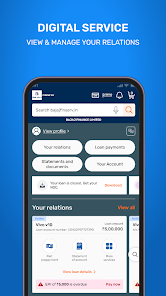
In today’s digital environment, financial tools such as a quick loan app and a loan app are often used alongside online bill payment systems. Together, these tools create a smoother financial routine by enabling timely payments, better planning, and flexibility during cash flow gaps. Understanding how online bill payment works and how it fits into a broader financial strategy is essential for modern households.
Understanding Online Bill Payment
Online bill payment refers to the process of paying recurring or one-time bills through digital platforms instead of physical methods like cash or cheques. This system allows users to pay electricity, water, internet, rent, insurance, and other household expenses from a single interface.
How Online Bill Payment Works
The process typically involves linking a bank account or digital wallet to an online payment platform. Users can select the bill type, enter payment details, and complete the transaction in a few steps. Many systems also allow scheduling payments in advance, ensuring bills are paid on time without constant reminders.
Online bill payment systems often integrate well with other financial services, including budgeting tools and short-term financial solutions such as a quick loan app or loan app, which can support households during temporary shortages.
Benefits of Online Bill Payment for Households
Improved Financial Organization
Online bill payment brings all household expenses into one place. Instead of tracking paper bills or scattered reminders, families can view payment history and upcoming dues in a single dashboard. This clarity makes it easier to understand monthly spending patterns.
Time and Effort Savings
Paying bills digitally eliminates travel, queues, and paperwork. Payments can be completed in minutes, allowing households to focus on other priorities. Automated payments further reduce the need for manual intervention.
Reduced Risk of Missed Payments
Missed bills can lead to late fees or service interruptions. Online bill payment systems offer reminders and auto-debit options, reducing the risk of forgetting due dates.
Better Cash Flow Planning
When combined with digital financial tools, online bill payment supports better cash flow management. If an unexpected expense arises, households may temporarily rely on a quick loan app or loan app to manage immediate needs while keeping essential bills paid on time.
Role of Online Bill Payment in Monthly Budgeting
Budgeting is more effective when expenses are predictable and traceable. Online bill payment helps households categorize expenses and analyze spending trends.
Tracking Fixed and Variable Expenses
Utilities and rent are often fixed costs, while electricity or water usage may vary. Digital payment records make it easier to compare monthly changes and adjust consumption habits accordingly.
Aligning Income and Expenses
With clear visibility into due dates and amounts, households can align bill payments with income cycles. This alignment reduces financial stress and helps avoid last-minute adjustments.
Supporting Emergency Planning
Unexpected situations can disrupt budgets. In such cases, short-term financial support from a loan app may help cover essential bills without affecting long-term financial stability. When used responsibly, these tools complement structured bill payment systems.
Security and Reliability of Online Bill Payment
Concerns about security are common when dealing with digital payments. However, modern online bill payment systems are designed with multiple safety layers.
Secure Authentication Methods
Most platforms use authentication steps such as passwords, one-time codes, or biometric verification. These measures help ensure that only authorized users can initiate payments.
Transparent Transaction Records
Every payment generates a digital record, which can be reviewed at any time. This transparency reduces disputes and makes it easier to identify errors quickly.
Reduced Handling Risks
Unlike cash payments, digital transactions eliminate risks associated with physical handling, such as loss or theft.
Online Bill Payment and Financial Discipline
Consistency in bill payments builds strong financial habits. Online bill payment encourages discipline by simplifying the process and reducing excuses for delays.
Encouraging Regular Reviews
When bills are paid through a digital system, users are more likely to review their expenses regularly. This habit leads to better awareness and smarter financial decisions.
Avoiding Accumulated Dues
Delayed payments can pile up and strain household finances. Online bill payment helps prevent accumulation by making timely payments easier and more accessible.
Complementing Short-Term Financial Tools
During months with higher expenses, households may turn to a quick loan app or loan app for short-term relief. When paired with structured bill payments, this approach helps maintain stability without long-term disruption.
Adapting Online Bill Payment for Different Household Needs
Every household has unique financial patterns. Online bill payment systems are flexible enough to adapt to various lifestyles.
Families with Multiple Expenses
Households with school fees, utilities, and subscriptions benefit from centralized payment tracking. One system reduces confusion and improves efficiency.
Working Professionals
Busy schedules make it difficult to remember multiple due dates. Automated online bill payment ensures obligations are met even during hectic periods.
Elderly or Remote Households
Digital payments reduce the need for physical travel, making bill management more accessible for those with mobility limitations or remote locations.
Challenges and How to Manage Them
While online bill payment offers many advantages, users should remain mindful of potential challenges.
Overdependence on Automation
Automation is useful, but periodic reviews are necessary to ensure charges are accurate and relevant. Reviewing statements prevents unnecessary expenses.
Managing Digital Spending
Easy payments can sometimes lead to overspending. Maintaining a budget and monitoring transactions helps keep spending under control.
Responsible Use of Loan-Based Tools
Using a loan app or quick loan app should be a planned decision, not a routine habit. These tools are best used for genuine short-term needs while maintaining a balanced repayment plan.
The Future of Household Finance Management
Digital financial solutions continue to evolve, making household finance management more integrated. Online bill payment is increasingly becoming the foundation of this ecosystem.
As systems become more interconnected, households will be able to manage payments, savings, and short-term financial needs from a unified platform. This integration promotes clarity, efficiency, and long-term financial confidence.
Conclusion
Online bill payment has transformed how households manage everyday expenses. By simplifying payments, improving organization, and supporting better budgeting, it helps families maintain control over their finances. When combined thoughtfully with tools such as a quick loan app and a loan app, online bill payment becomes part of a balanced financial approach rather than a standalone solution.
In the long run, households that adopt structured digital payment habits are better equipped to handle routine expenses and unexpected challenges. Online bill payment is not just about convenience; it is about creating a stable and manageable financial routine that supports modern living.